

Economic vista: What's the scoop on SLR?
Jose Sevilla, Senior Portfolio Manager
The economy is complex and always evolving, so it's no surprise that we need dynamic financial regulations that can keep pace with changes to maintain stability across markets. A prime example is the Supplementary Leverage Ratio (SLR), which was introduced after the global financial crisis (2008-2009), and has become a crucial tool for limiting risky behavior in the banking sector. But is the SLR a tad outdated, and wha'’s the story on the proposed reforms?
The SLR states that banks must hold a certain amount of capital compared to their total exposure, regardless of the perceived risk of their assets. Its purpose was to prevent the type of excessive leverage that contributed to the global financial crisis, serving as a safeguard to ensure that banks maintain adequate amounts of capital reserves. However, the SLR has, in recent years, created some unintended consequences that sometimes hinders banks from acting as effective intermediaries. This could potentially impact market stability in a crisis. Today, proposed reforms aim to address these issues in hopes of creating more stable financial markets and unlocking opportunities for fixed income investors. In this article, we explore the origins of the SLR, outline the current reform proposals and assesses the potential impact on the Treasury and broader bond markets.
Background: The origins and mechanics of the SLR
The global financial crisis revealed that many banks remained highly leveraged despite appearing well-capitalized under risk-weighted frameworks. In response, regulators developed the SLR as a non-risk-based capital requirement that would serve as a backstop to prevent excessive leverage, no matter how safe a bank's assets might seem on paper. Introduced to the US in 2014 as part of the Basel III reforms, SLR required banks to have a minimum amount of high-quality capital (Tier 1) compared to their total on-balance and off-balance sheet exposures, which includes US Treasuries and central bank deposits.
In the US, the minimum SLR is 3% for most large banks. However, for Global Systemically Important Banks (G-SIBs), more stringent thresholds apply—a 5% requirement at the holding company level and 6% at insured depository institutions. The SLR is calculated by dividing Tier 1 capital by a bank's total leverage exposure, which includes not just loans and securities, but also derivatives, repo positions and certain off-balance-sheet exposures. The intent is to ensure that no amount of accounting maneuvering or risk-weighting can obscure the true size of a bank's obligations.
Why is reform being considered?
Following the Fed's large-scale asset purchases and a surge in government debt issuance, banks have been inundated with high-quality, low-risk assets like US Treasuries and central bank reserves. Although these instruments are crucial for financial stability, they still count fully toward the SLR denominator. This inflates banks' leverage ratios and discourages them from holding or trading Treasuries, particularly in times of market stress. So, while the SLR aims to curb high-risk behavior, it can undermine liquidity in one of the most important global asset classes. During the COVID-19 pandemic and in an effort to support credit availability during the pandemic-induced turmoil, regulators temporarily excluded US Treasuries and reserves from the SLR calculation. This allowed banks to expand their balance sheets without breaching regulatory thresholds, facilitating continued lending and market-making.
However, when the temporary SLR "relief" expired in March 2021, concerns resurfaced that leverage constraints might again reduce banks' capacity to act as intermediaries in the Treasury market. Despite its reputation as the world's most liquid bond market, the US Treasury market has experienced notable episodes of elevated volatility and temporary dysfunction. Market participants widely attribute these episodes to regulatory capital constraints, including the SLR, which have limited banks' ability to absorb sudden surges in Treasury supply. Because the SLR treats all assets the same, banks are penalized for holding risk-free reserves, which are viewed similarly to other types of riskier debt through the SLR lens. Critics argue that this approach discourages prudent behavior, such as maintaining large buffers of liquid assets or supporting repo markets, which are essential sources of short-term funding in the financial system.
Reform proposals under consideration
There's an ongoing debate among US regulators about reforming the SLR, with the goal of modernizing and mitigating its unwanted effects while still preserving its essential role in preventing banks from taking on excessive leverage. A highly debated proposal is the permanent exclusion of central bank reserves and US Treasury securities from the SLR calculation. Advocates contend that these risk-free assets should not be treated the same as riskier exposures. Excluding them could release bank capital, potentially strengthening their ability to absorb shocks and support Treasury market liquidity, particularly during times of stress. However, critics warn that such exclusions could dilute the SLR's role as a simple, risk-neutral capital requirement. Critics also note that while Treasuries and reserves have minimal credit risk, they are still vulnerable to interest rate fluctuations, especially on longer duration assets. Thus, some experts question whether these reforms would materially improve market stability during times of stress.
To address these concerns, regulators are also considering changes to the Enhanced SLR (eSLR) applicable to GSIBs. Recall that GSIBs are required to maintain a 5% capital buffer at the holding company level—which is the standard 3% SLR plus an additional fixed 2% buffer. One key proposal is to replace the current fixed 2% buffer with a variable add-on that is linked to each GSIB's specific capital surcharge. This approach is intended to better align the eSLR with risk-based capital rules and reduce disincentives for GSIBs to engage in low-risk activities like US Treasury market intermediation. Additionally, regulators are contemplating making the SLR more dynamic by adjusting thresholds based on economic conditions or stress test results. This approach could allow for temporary relief during market disruptions and stricter controls during stable periods.
Taken together, these reforms aim to fine-tune the SLR so that it continues to serve as a credible backstop without inadvertently discouraging crucial financial intermediation.
Implications for financial markets
In theory, one of the most immediate and significant consequences of SLR reforms would be improved liquidity and pricing in the Treasury market. By easing leverage rules, banks would be better positioned to act as market intermediaries, resulting in tighter bid-ask spreads and greater market stability during volatile times. The reforms are also expected to revitalize repo markets by reducing the capital costs associated with banks offering short-term loans backed by Treasuries, thereby increasing funding availability. This could help avert future liquidity shortages and support the smooth operation of collateralized lending markets. Corporate credit markets are also likely to benefit from the reforms, as reduced capital constraints would enable banks to better facilitate the underwriting and trading of corporate bonds, leading to better liquidity and price discovery. Financial sector bonds in particular could benefit, as lower capital costs may enhance bank profitability which could translate into healthier credit fundamentals leading to tighter bond spreads.
Conclusion
There's no denying that the SLR has played a critical role in strengthening the financial system since the global financial crisis. Its simplicity and transparency make it an effective tool for limiting leverage and risky behavior. However, in an environment increasingly dominated by low-risk assets such as central bank reserves and Treasuries, the current structure of the SLR produces some unintended side effects. Ongoing reform efforts seek to modernize the SLR by preserving its role as a capital safeguard while adapting it to the realities of today's markets. As long as they are implemented prudently, we believe reforms have the potential to improve liquidity in critical markets, stabilize short-term funding channels and support broader financial system efficiency. The SLR story is evolving, but we will be watching closely as any changes could shape the landscape of global markets going forward.
Credit vista: Resiliency rules in IG corporate credit
Darrell Leong, CFA, Head of Investment Research
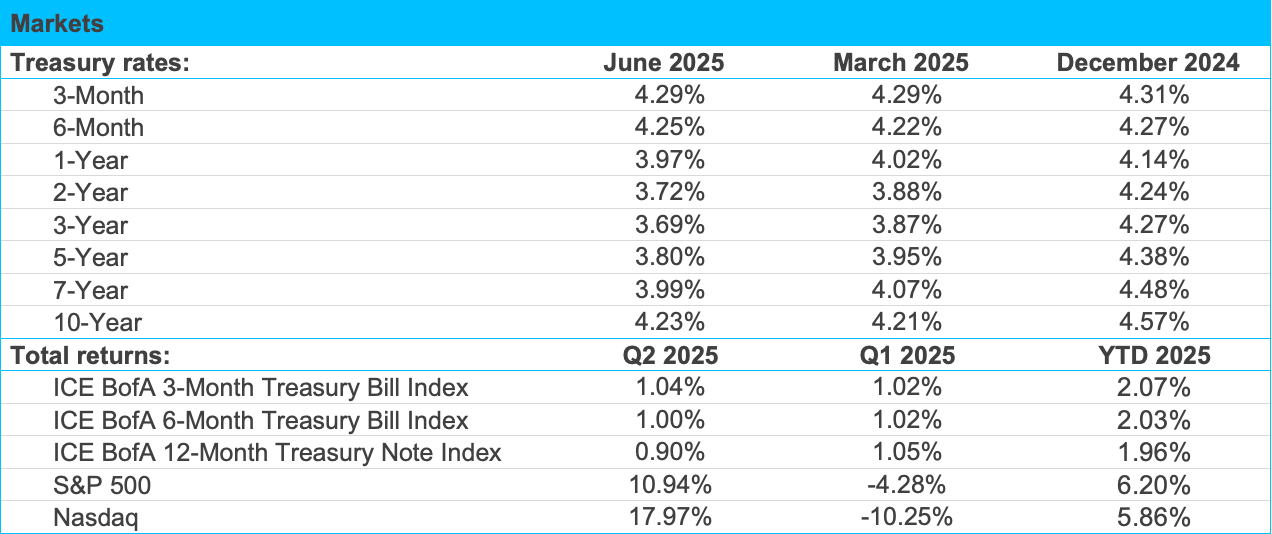
Market volatility was a defining, overarching feature during the first half of 2025. Investors have been forced to navigate wide-ranging uncertainties. Major shifts in US trade policy, questions surrounding economic growth and monetary policy, and the unfortunate and ongoing geopolitical tensions have all taken turns agitating markets. The issues have had rippling effects on the stocks, credit spreads and Treasury yields.
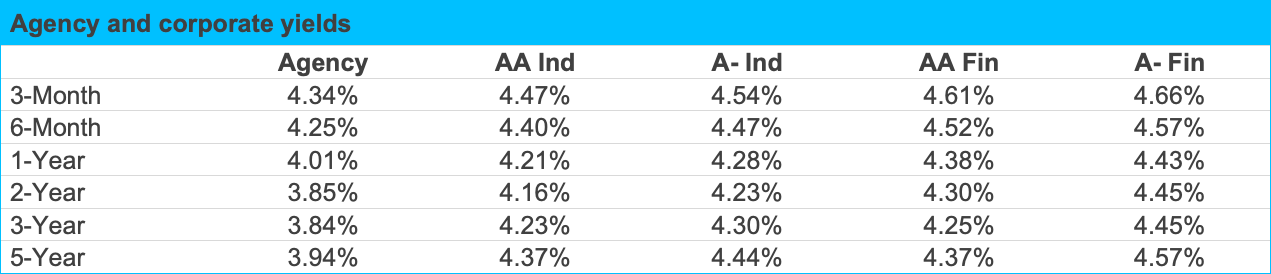
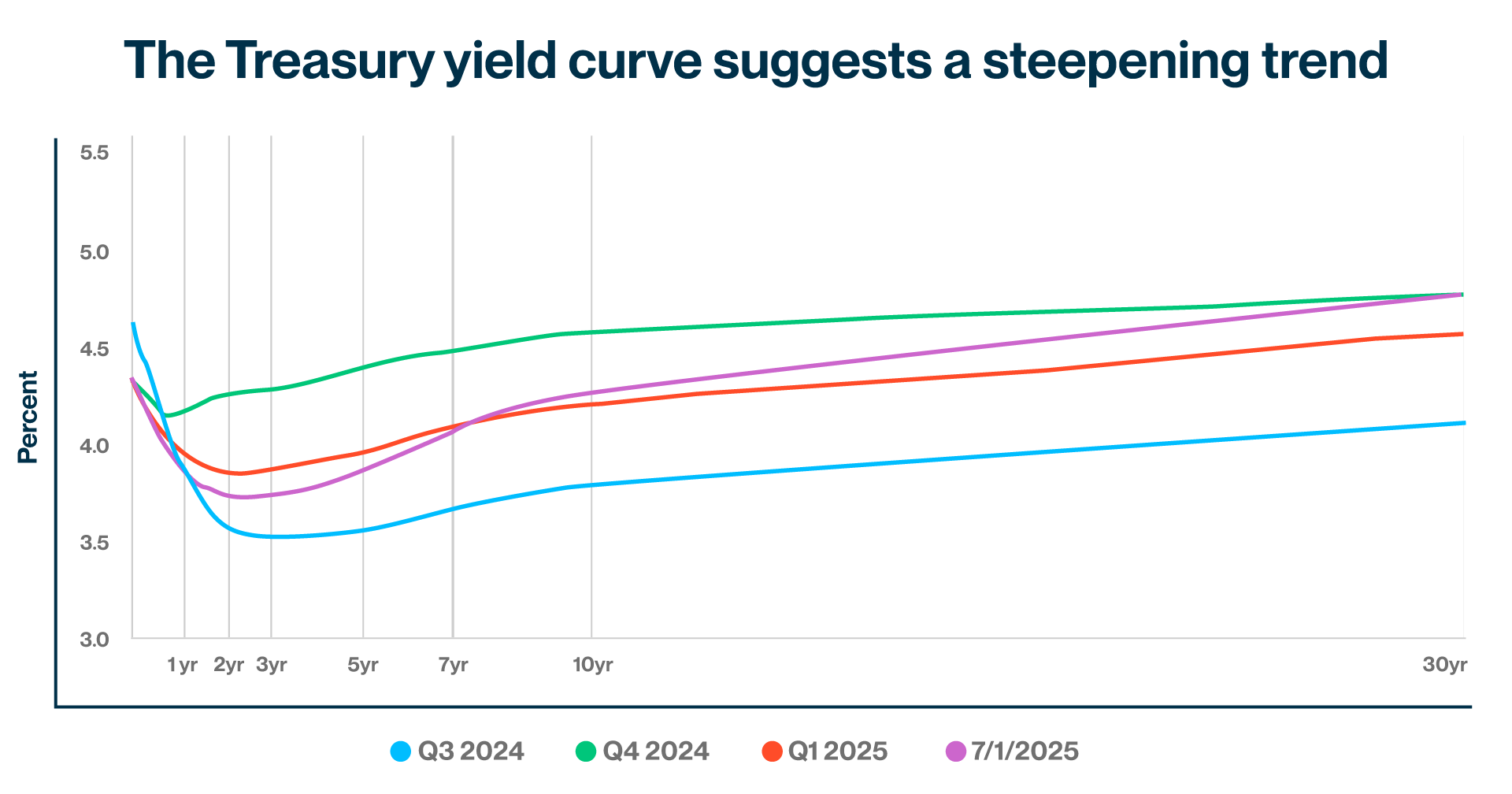
Amidst the fervor surrounding possible sweeping tariffs in April, the S&P 500 posted its fifth largest two-day decline since 1950. Bond markets also faced elevated volatility as Treasury yields bounced around and trended higher, even as they have backed off from their peak in April. Through all the turbulence, investment grade (IG) corporate credit has shown to be resilient, offering compelling opportunities for investors willing to look beyond the headlines.
Strong and stable
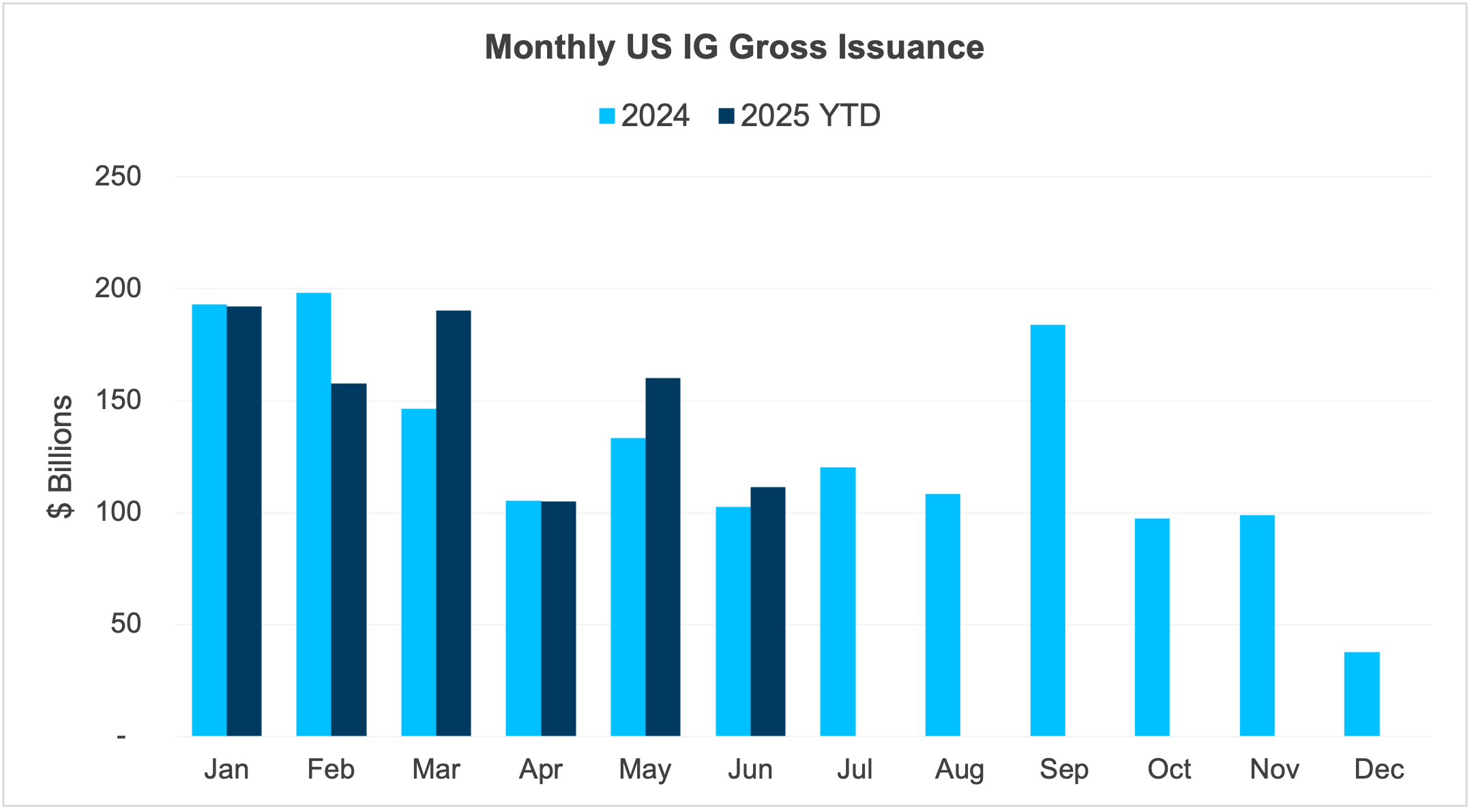
While volatility has been front and center for the markets, the underlying infrastructure of the IG credit market has remained robust. The US IG new issuance market has normalized and continued to operate smoothly, a vote of confidence for the health of the asset class. The stability is noteworthy given the substantial investor concerns that peaked in April over potential new tariffs and the follow-on impacts on corporate earnings. Through June 30, 2025, data from Bank of America Global Research shows gross issuance was $917 billion —an increase of 4.3% compared to the first six months ending June 30, 2024. This is impressive, especially in the context of elevated volatility and oft-shifting investor sentiment.

 Article