


Economic vista: Front-end bond yields: Why short-duration fixed income looks attractive
Steve Johnson, CFA, Senior Portfolio Manager
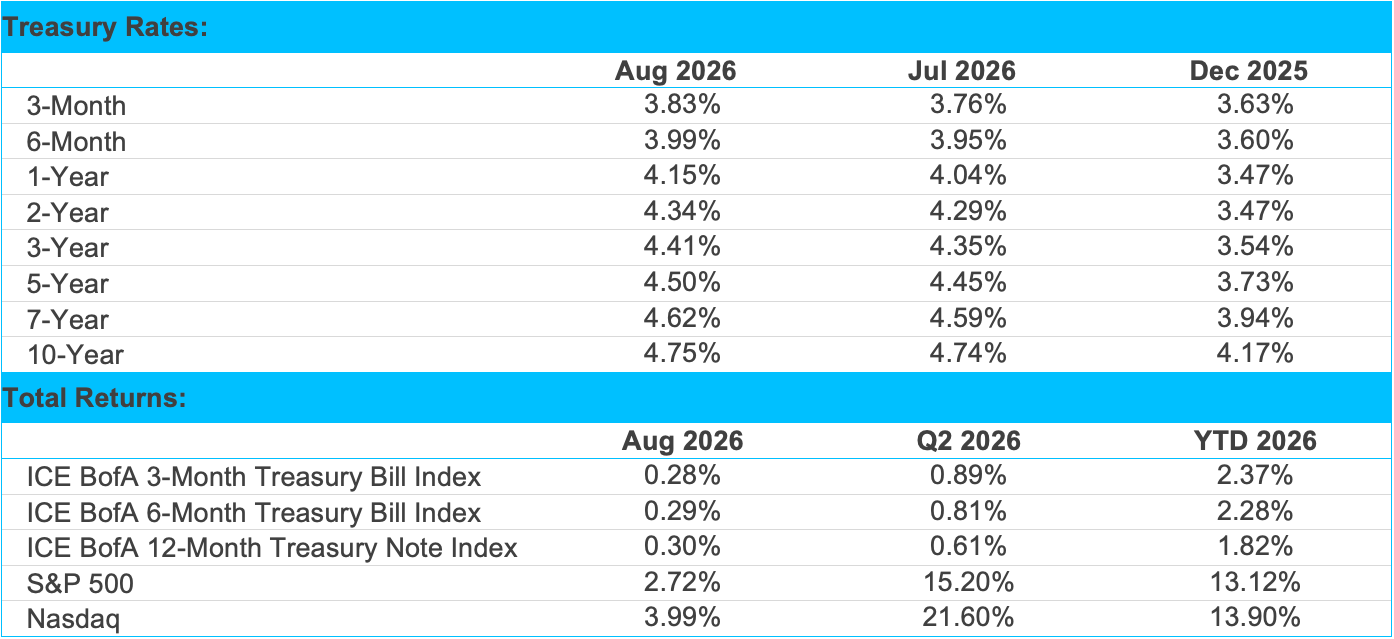
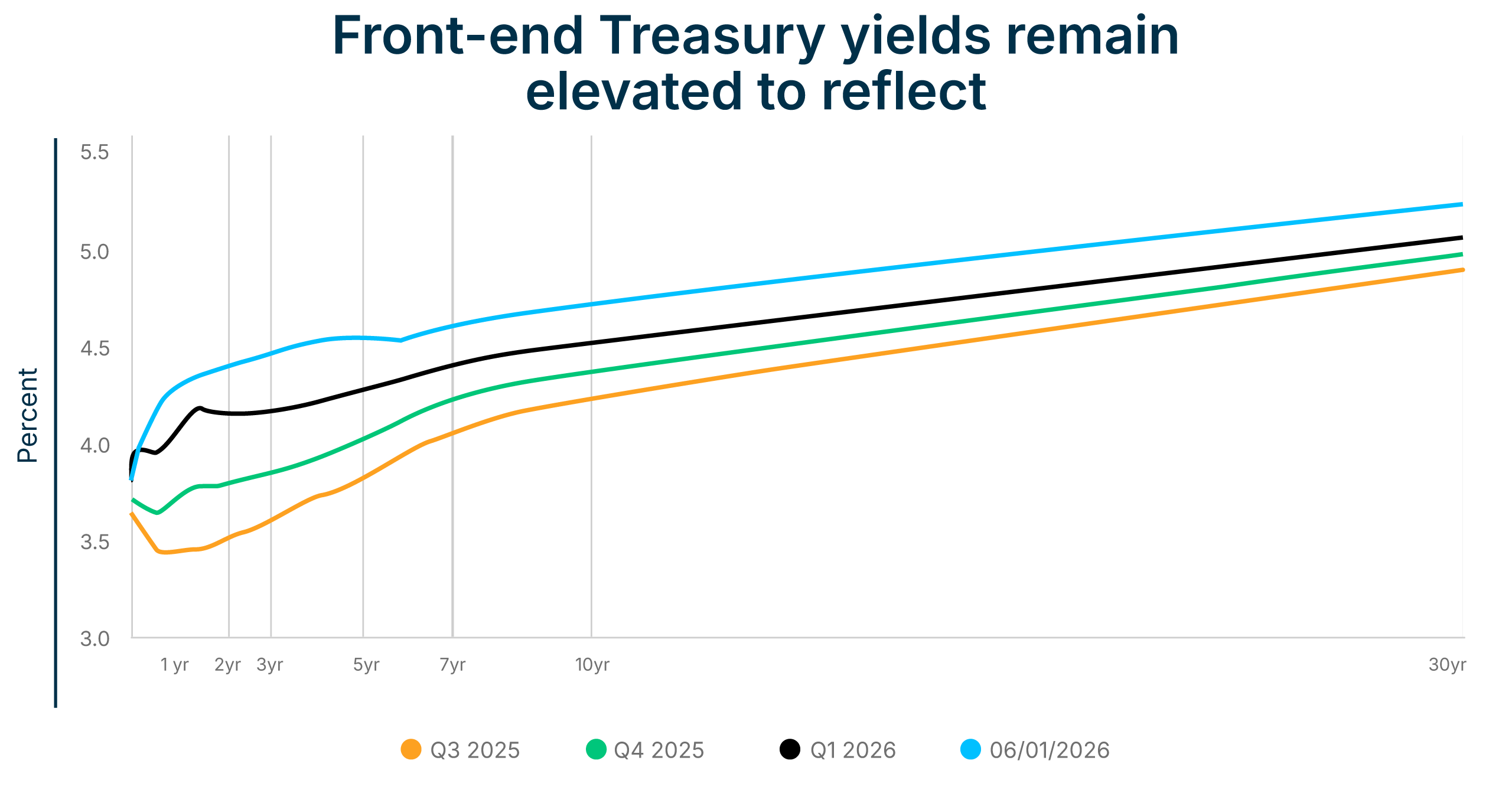
Since the conflict with Iran began in February 2026, geopolitical uncertainty and changing monetary policy expectations have contributed to a meaningful repricing of the US Treasury curve. In this environment, front-end bond yields, including yields on short-duration US Treasuries and investment-grade corporate bonds, have moved higher. We believe the current fixed income outlook for 2026 has strengthened the case for short-duration fixed income. Front-end bonds now offer a compelling combination of attractive income, limited interest-rate risk and improved protection against adverse market movements.
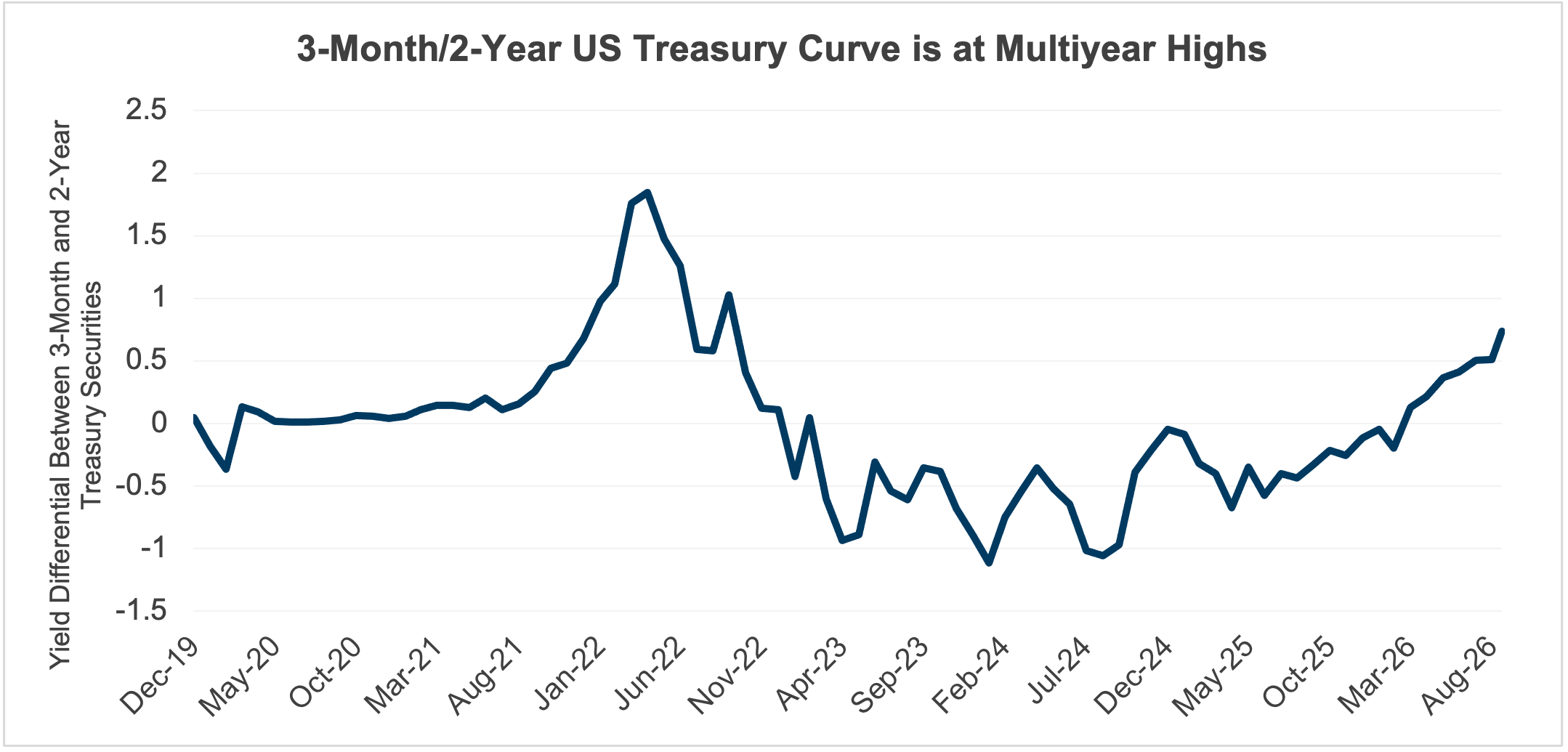
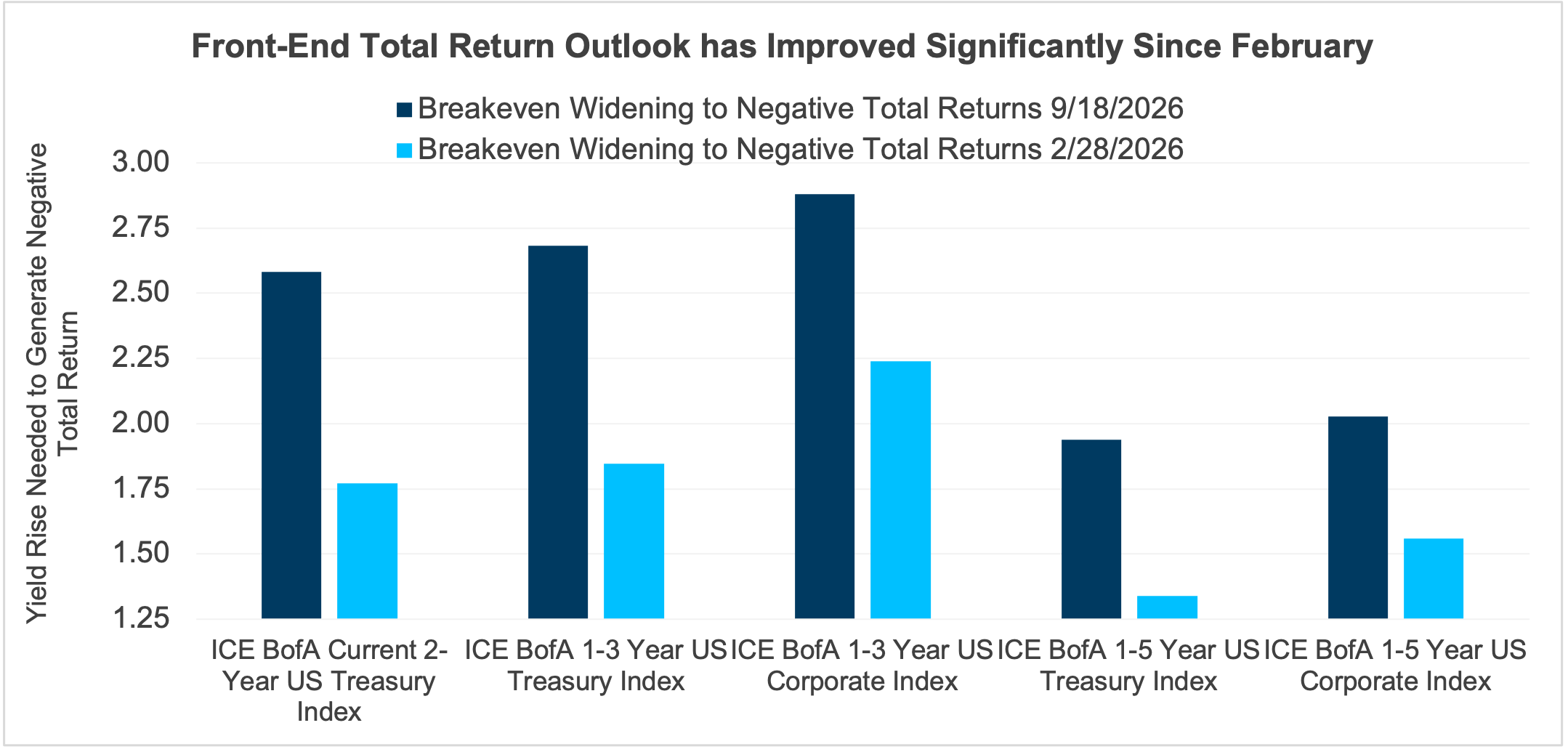
Three developments have enhanced the appeal of the front end of the bond market: higher starting yields, a steeper yield curve and a larger income cushion against interest rate and credit spread volatility.
Front-end bond yields have increased meaningfully
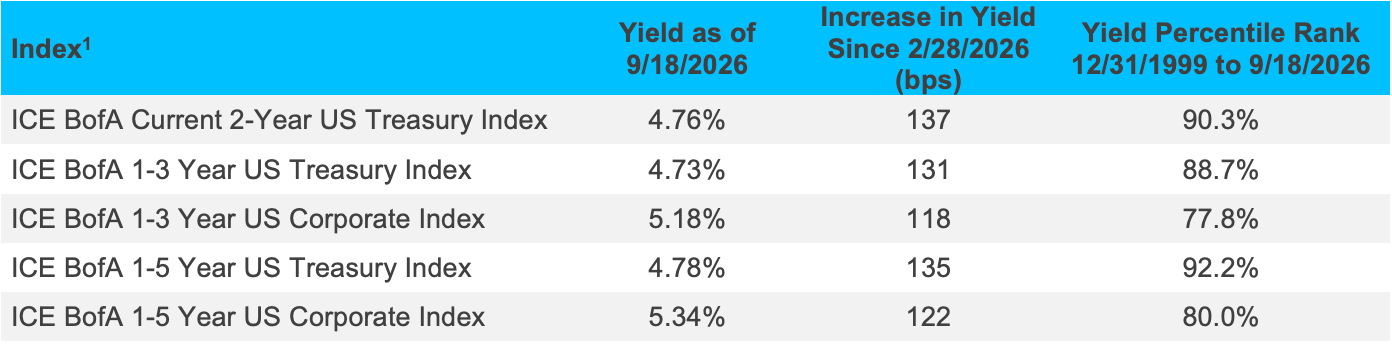
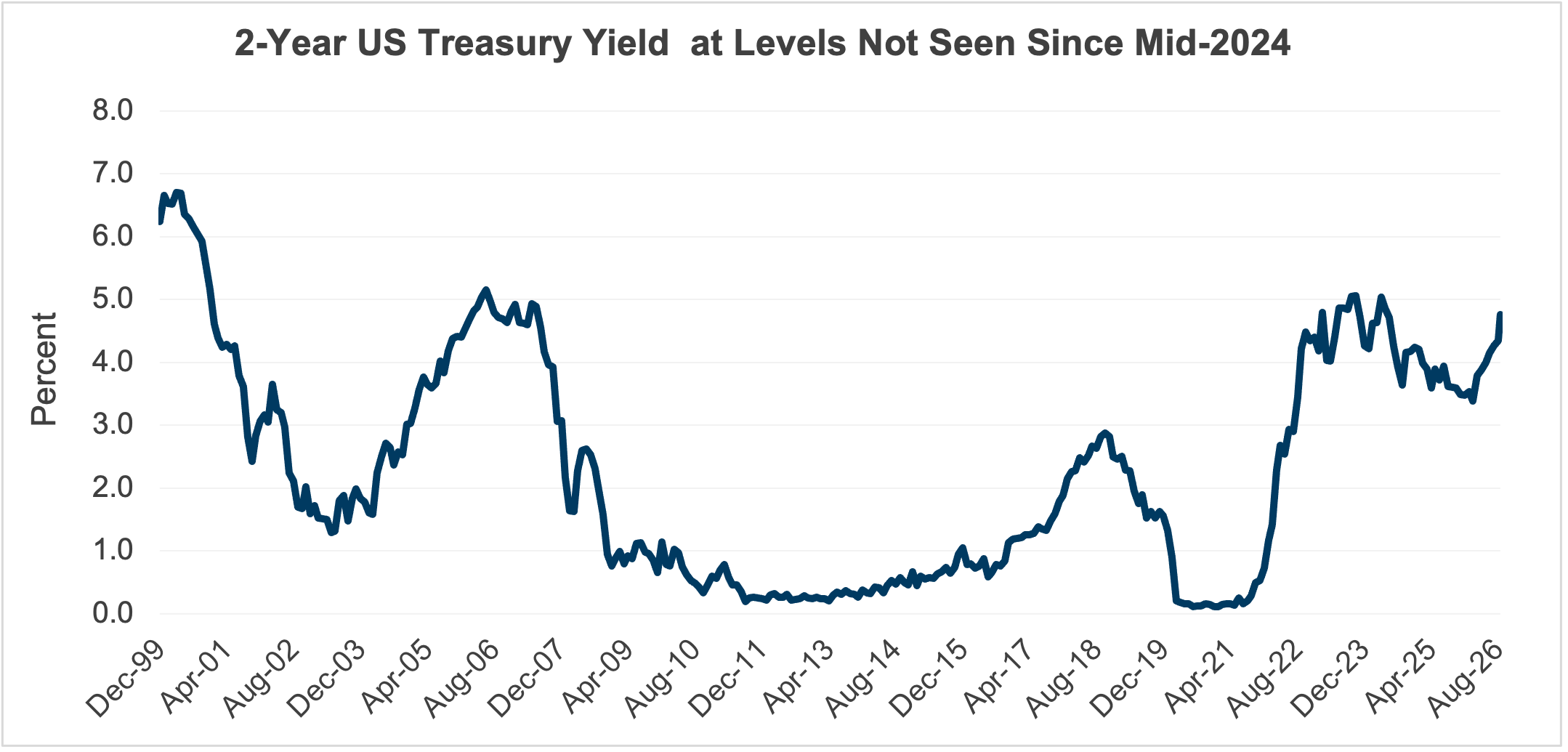
The first and most obvious development has been the increase in available income for investors focusing on short-duration bonds. Since February 2026, yields on short-term Treasuries and investment-grade corporate bonds have moved substantially higher, creating significantly more attractive income opportunities. Although the repricing has contributed to periods of volatility, starting yields are now more attractive than they were at the onset of the conflict in the first quarter of 2026.



 Article