


When most people think about space and defense, they think of SpaceX.
For good reason. SpaceX has helped redefine what is possible by a commercial company in modern space technology. By demonstrating that venture-backed space companies can attract significant capital, generate revenue, achieve scale and generate liquidity for investors it bolstered investor confidence in the category as a whole.
Beyond SpaceX, there is an emerging ecosystem focused on space tech impacting the defense sector.
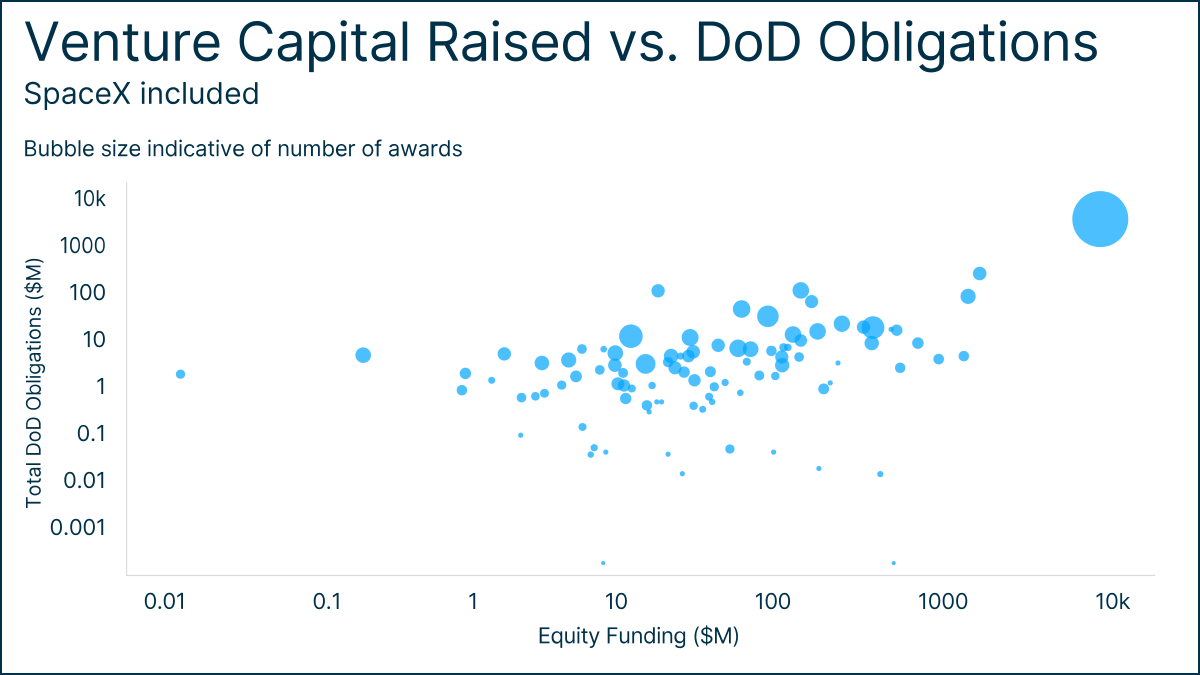
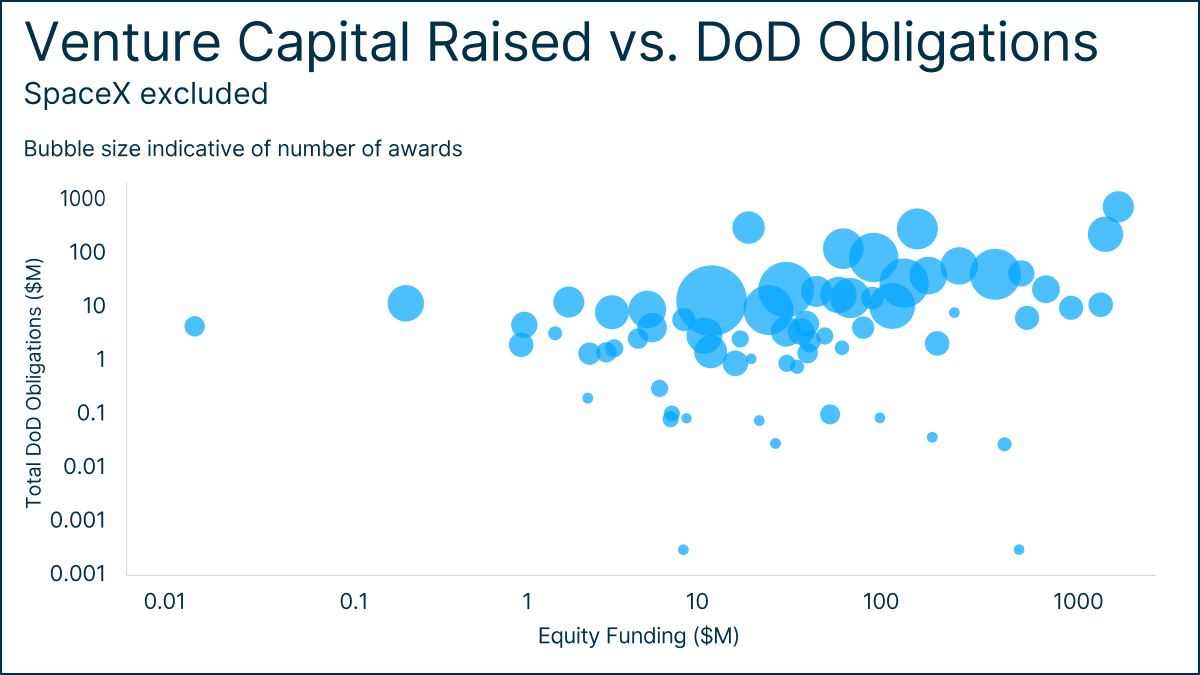
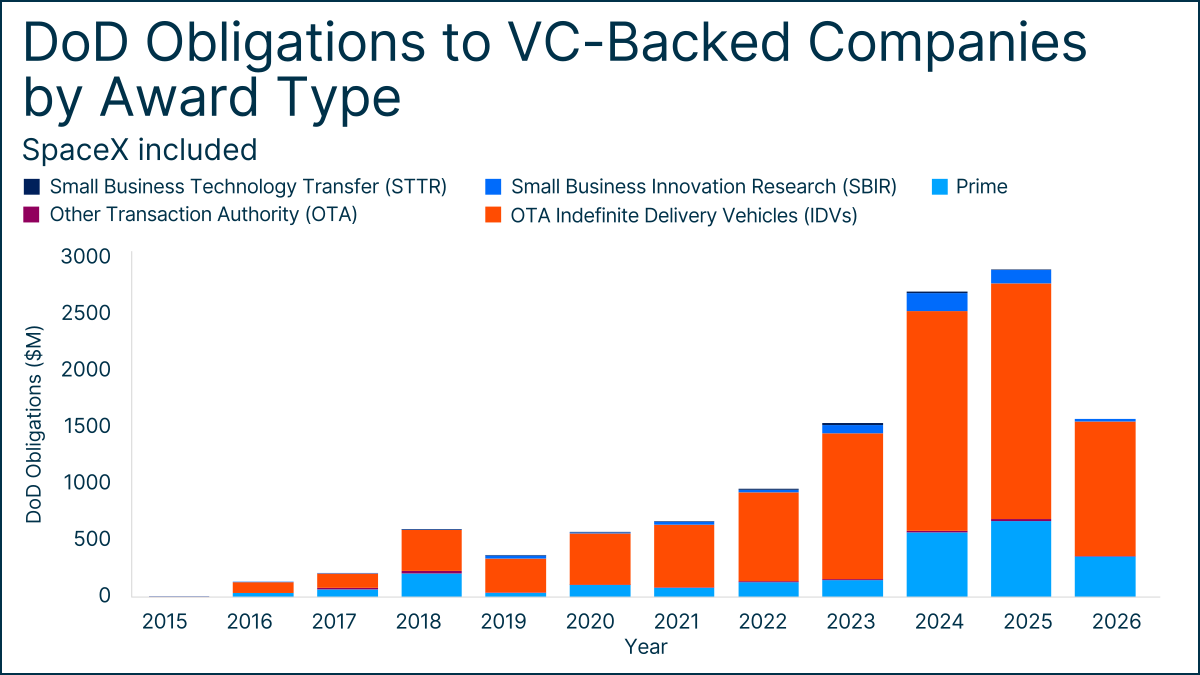
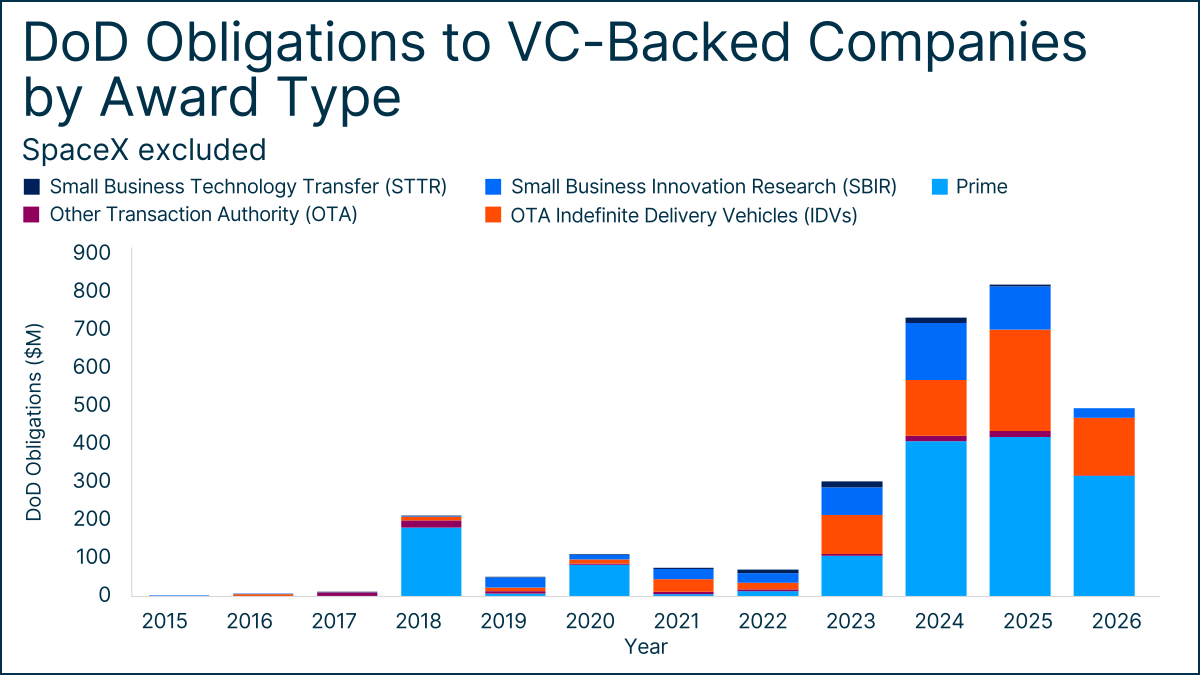
To better understand the relationship between venture investment and government adoption in defense-focused space technology, we combined venture funding data with Obviant’s government contracting intelligence on 89 US-based, venture-backed space companies that have raised several million of institutional venture capital and received at least one Department of Defense (DoD) award or obligation. (Read more about our methodology below.)
What emerged was a picture of a market that looks very different than it did a decade ago.
Launch has become more accessible, venture investors are more willing to back defense-related businesses, the Space Force has elevated the domain, and government buyers are looking to emerging companies for new technologies while adopting procurement mechanisms that support earlier-stage innovation.
Taken together, these shifts have transformed space from an emerging niche into a growing market where venture capital and government demand increasingly reinforce one another.

 Article