Balancing AI with human expertise
Using AI responsibly includes a clear awareness that accountability remains with finance leaders. "There are lots of low-hanging fruit … but there are certain complex areas that … require company-level expertise," Jerry Caruso, VP, Global Controller, Bitsight.
Where does human experience matter most? It concentrates in critical decisions such as setting policies for liquidity, investments and risk. Expertise is also essential in high-stakes moments, like resolving material exceptions related to an enterprise customer, dealing with a service disruption, or managing a data breach crisis.
"The future of banking will be shaped by how effectively we combine AI-enabled intelligence with trusted data, strong governance and human expertise," says Ash Kaduskar, Head of AI and Advanced Analytics and First Citizens Bank. "The opportunity goes beyond making today's work faster. It is about reimagining how work gets done, with AI transforming processes end to end while people provide judgment and deliver better outcomes for our clients."
Combining human judgment and AI intelligence brings together the best of both worlds.
AI in treasury—ROI depends on more than tech
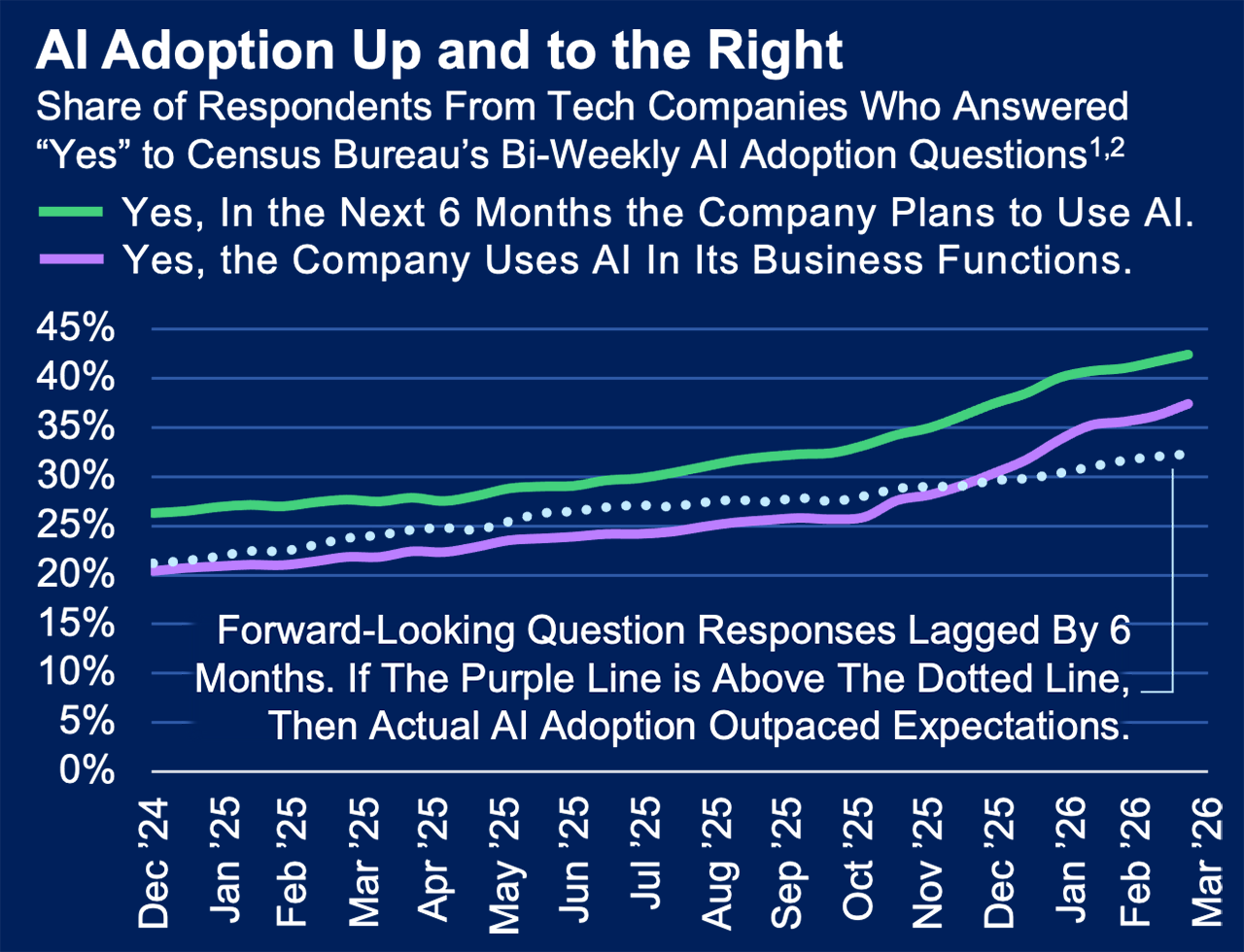
AI adoption in finance is accelerating, but the economic results remain uneven and hard to track. That gap is important for treasury leaders who are usually asked to turn vast amounts of data into precise forecasts and automated recommendations for better liquidity decisions. The tech may be new, but getting value still depends on operational fundamentals.
Building tangible value through workflow automation, better forecasting and working capital management requires a strong foundation. To turn AI intelligence into informed action, companies need mature, scalable treasury operations that combine integrated solutions, reliable data and strategic expertise.
Combining treasury automation and AI intelligence with expert human judgment helps you capture more ROI as complexity increases. AI can identify and propose a response, but leaders need to decide whether and how to act. This combination provides greater agility to sustain growth, solve problems quickly and act on opportunities amid challenging markets.




 Article